

Our Feathered Friends

Held from November 1 to 30, 2025, Young Birders’ Month celebrated the diversity, beauty and lives of birds through art activities, workshops, bird walks and quizzes conducted at over 80 locations across India. More than 200 events were organised with the support of educators, conservation organisations and bird experts. SCARLETT RODRIGUES spoke to a few participants about their experiences and views on bird conservation. Here’s what they had to say.

February 01, 2026

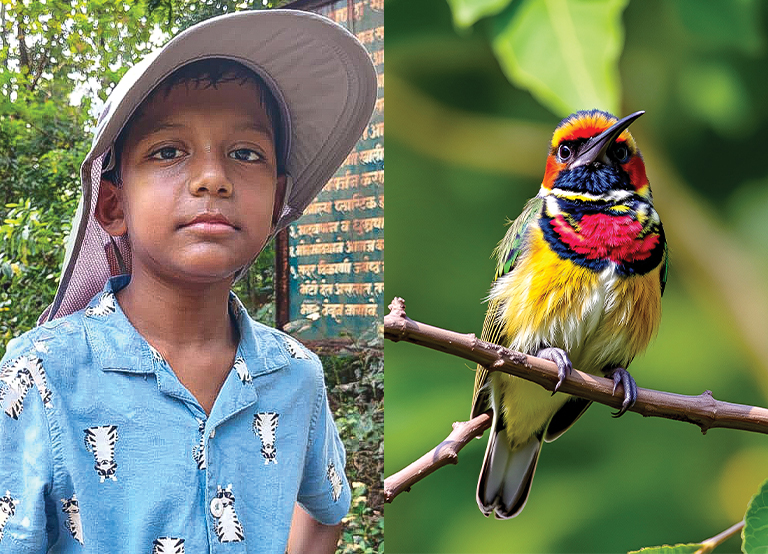
Prahlad Atri
Class 2, The Valley School, Bengaluru

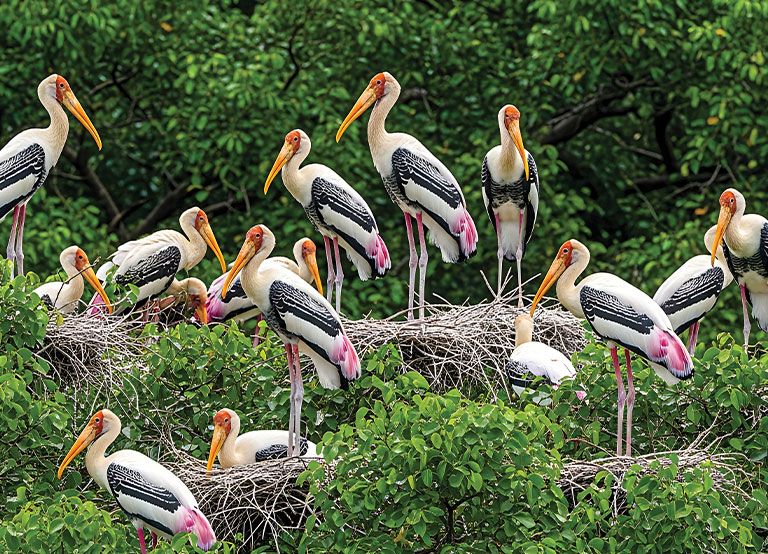
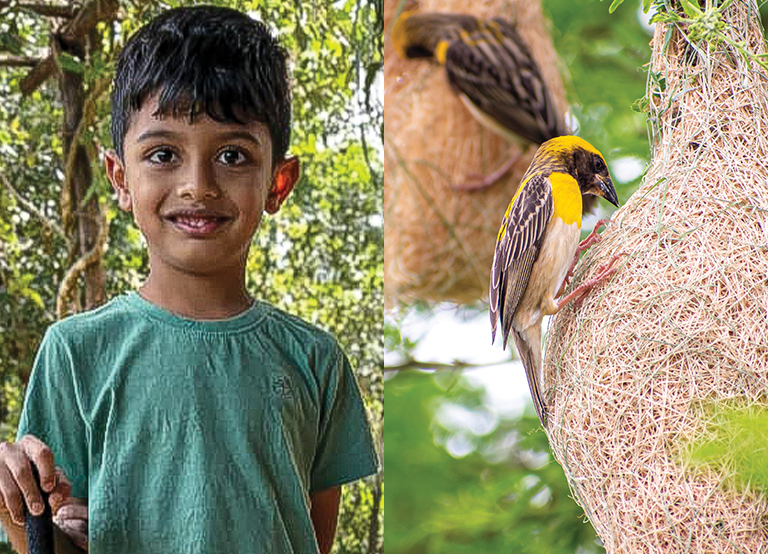
Through the event ‘Feather Fest’, I learnt about different birds such as the baya weaver and the painted stork. I learnt about birds’ unique features and nests and was fascinated, especially by the edible swallow’s nest. After learning about nests through a book-reading session, we were given glue, leaves, thread, grass and other materials to build our own nest. I learnt many amazing facts, including how rufous woodpeckers make their nests in ants’ nests. We also got to understand how small or big we are through an activity that allowed us to compare our size to birds. We should protect birds because they play an important role. For example, birds like eagles eat rats and other pests, helping control their population.

Agastya Sreekantan
Class 2, Vidya Niketan School, Bengaluru

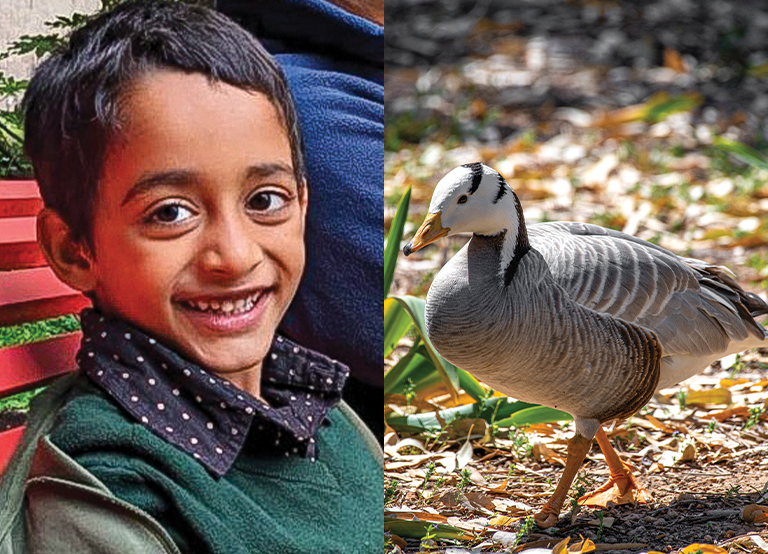
I was part of an event called ‘Feather Fest’ through which I learnt about birds and nature through fun stories, interesting films and exhibitions. However, I had the most fun at the bird mimicry competition. Furthermore, I was amazed to learn how barheaded geese travel over the Himalayas to Karnataka in the winter. As I had visited Magadi Lake in Karnataka before, I was familiar with their migratory behaviour. Through one of the films, I also learnt that sometimes, cows are injected to treat some of their ailments. However, when they die, vultures eat their bodies, which also harms and kills the vultures. We can protect birds in small ways, such as keeping food and water for them, reducing deforestation and planting more trees.

Aranya Adesh Shivkar
Class 3, St Joseph’s High School, Wadala, Mumbai

I was part of an event called ‘How to See Like a Birder’ that included a journalling session and a bird watching session at Maharashtra Nature Park in Mumbai. The first session provided us with knowledge on the parts of birds and included colouring and interactive activities. The birdwatching session was informative and refreshing. As the park is located close to the Mithi River, we heard bird sounds and spotted various birds, including the black kite and a coppersmith barbet, moving in the branches. I spotted a kingfisher diving into the water and also saw a night heron during the day, which is a rare sighting. But the most amazing memory is of spotting a black-winged stilt, which has the longest legs in relation to the size of its body compared to other birds. I think more areas with greenery must be set up and deforestation should be stopped to protect birds.

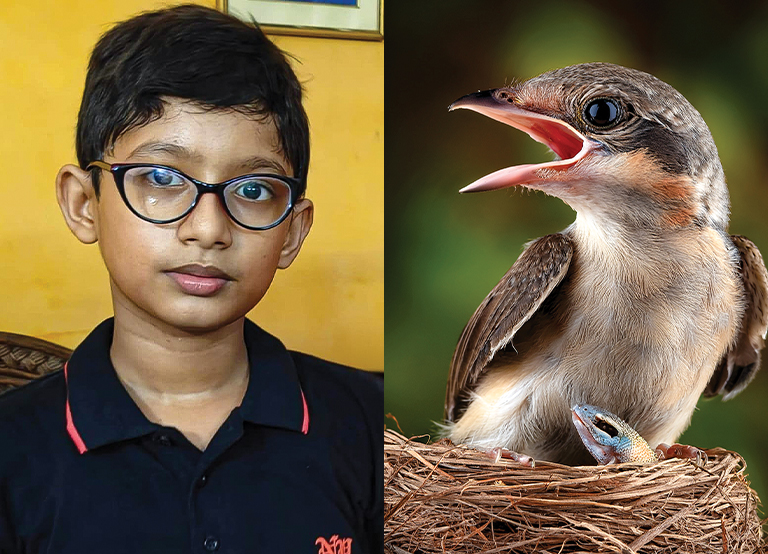
Anubhav Banerjee,
Class 6, Don Bosco School, Park Circus, Kolkata

I have been on many bird walks, including walks in Baruipur and East Kolkata Wetlands, where it was fun to explore birds in their habitat with binoculars and scopes. I spotted many birds such as Siberian stonechats, herons, ducks and shrikes. Shrikes are known for their extraordinary hunting behaviour. These birds press their prey against thorns or other sharp objects that hold it in place and they even return later to feed on the stuck prey. As the greenery around us is reducing, going on bird walks helps me reconnect with nature. I learn new facts, which helps me educate myself and also share my knowledge with others. As birds are an important part of the food chain, learning about them and their habitats can save huge ecosystems.

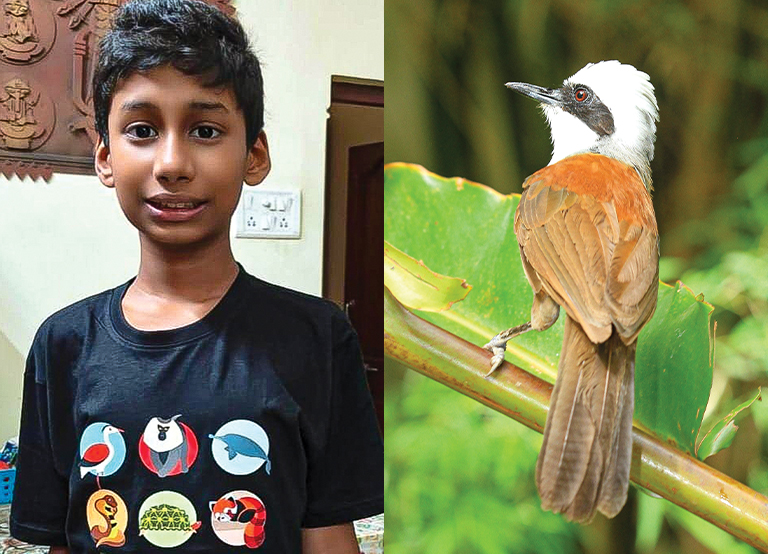
Abhigyan Aich
Class 7, Indus Valley World School, Kolkata

I frequently go on bird walks in places like Rabindra Sarobar and Banabitan, during which experts teach us to identify birds based on their colouring and calls. I’ve spotted many birds, including the white-crested laughingthrush, during nature walks and family trips. I’m fond of nature walks as they give me a break from the hustle and bustle of city life and help me reconnect with nature. My family members often accompany me on nature walks and my passion for birds has sparked a birding interest among them. I also engage in backyard bird watching. We have many plants and feeders near my house that create a welcoming environment for birds. As many migratory birds visit India, we need to ensure the areas where they stop are well protected.

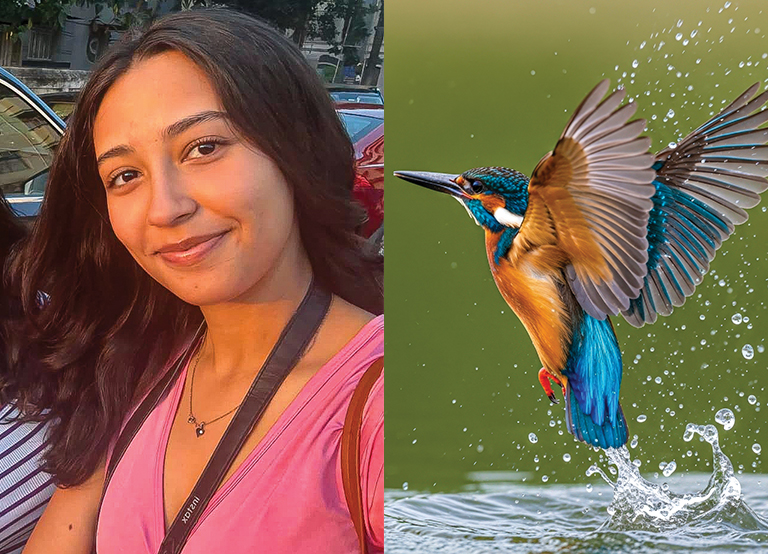
Jiya Negandhi,
SYBSC, St Xavier’s College, Mumbai

I participated in a nature walk by the Mumbai Birdwatchers Club (MBC) in Mumbai. I was mesmerised by the sightings of birds, especially migratory birds, at the Bhandup Pumping Station, which is a prominent birding location. Among the birds I saw were peregrine falcons, bee-eaters and common kingfishers. Going on this adventure taught me many things, including distinguishing between similar-looking birds by focussing on minute characteristics. I’m majoring in zoology and birding has increased my awareness of nature’s rich diversity. Identifying vibrant birds, listening to their delightful calls and catching a glimpse of their unique habits amazes both children and adults. We must remember that we are dependent on birds, animals and our ecology and a small change, which might seem insignificant, can have a serious overall impact. Humans must prioritise nature over themselves.

Early Bird is an initiative by the Nature Conservation Foundation (NCF), a not-for-profit organisation that encourages children to explore nature through an understanding of birds. In collaboration with the World Wide Fund for Nature–India (WWF India), it launched Young Birders’ Month, a programme that offered young participants insights into the fascinating world of birds through interactive experiences.

REFLECTION: A Bird’s-eye View

Imagine you are a migratory bird. Write a short diary entry about your journey through India, where you went and what you saw.

Upload your writing on www.robinage.com/submit-posts to be featured on RobinAge.com

Bookmark(0)
Want more exciting content like you see here?
Sign up now for RobinAge's FREE email newsletter
Want more exciting content like you see here?
Sign up now for RobinAge's FREE email newsletter
View a Sample Print Edition
Please fill in the form below to view a sample print edition
View a Sample Print Edition
Please fill in the form below to view a sample print edition
×

Powered by WhatsApp Chat

× How can I help you?