

Ganesh Chaturthi is celebrated with splendour across the country, but especially in Maharashtra, Goa, Karnataka and Gujarat. The festival lasts for 10 days and this year it will be celebrated from September 7 to 17. Lord Ganesh, also known as Gajamukha or Vignaharta, is known as the god of wisdom and good fortune and the remover of obstacles. He is worshipped at the beginning of important Hindu ceremonies and also before starting new ventures.

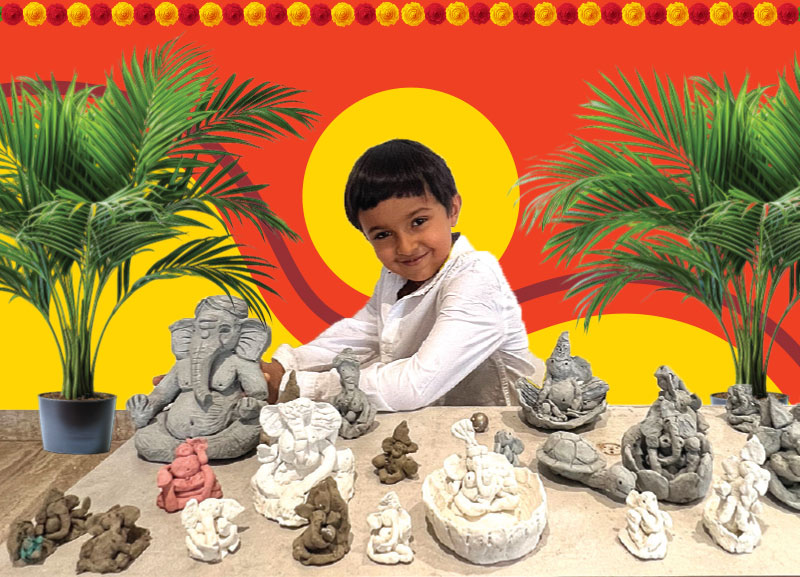
People celebrate this festival by bringing Ganesh idols to their homes, offices, residential complexes and neighborhood pandals. SAMAR JAIN, a class 1 student at Cathedral and John Connon Infant School, Mumbai, has been making eco-friendly Ganesh idols for 18 months in preparation for the festival. SCARLETT RODRIGUES spoke to him to learn more about his eco-friendly Ganesh idols and how he makes them.
What inspired you to make eco-friendly Ganesh idols?
I love visiting Ganesh pandals to see beautifully sculpted Ganesh idols. However, I learnt that most of these idols are made of non-eco-friendly materials such as plaster of Paris (POP). When these idols are immersed, they leach chemicals into the water, and this harms sea creatures such as fish and damages the marine ecosystem. Therefore, I decided to make Ganesh idols out of eco-friendly materials that will protect sea creatures from harmful chemicals.
What do you use to make the idols?
I use shadu clay and air-dry clay to make the idols. These materials are super easy to mould.
How can one immerse your idols?
My idols can be immersed in a big bucket of water at home so they can dissolve safely. After that, one can use the water to water house plants so they can grow big and strong.
Why do you believe using eco-friendly Ganesh idols is important?
It is important to use eco-friendly Ganesh idols because these idols will prevent water bodies from getting polluted. Additionally, sea creatures will not be harmed by toxic chemicals. These toxic chemicals also pollute the soil and destroy beaches. Using eco-friendly Ganesh idols will encourage other people to follow our footsteps and will help us conserve our resources as a community. It is our responsibility to save plants, animals and nature. I request everyone to immerse Ganesh idols in buckets of water at home and not in the sea.
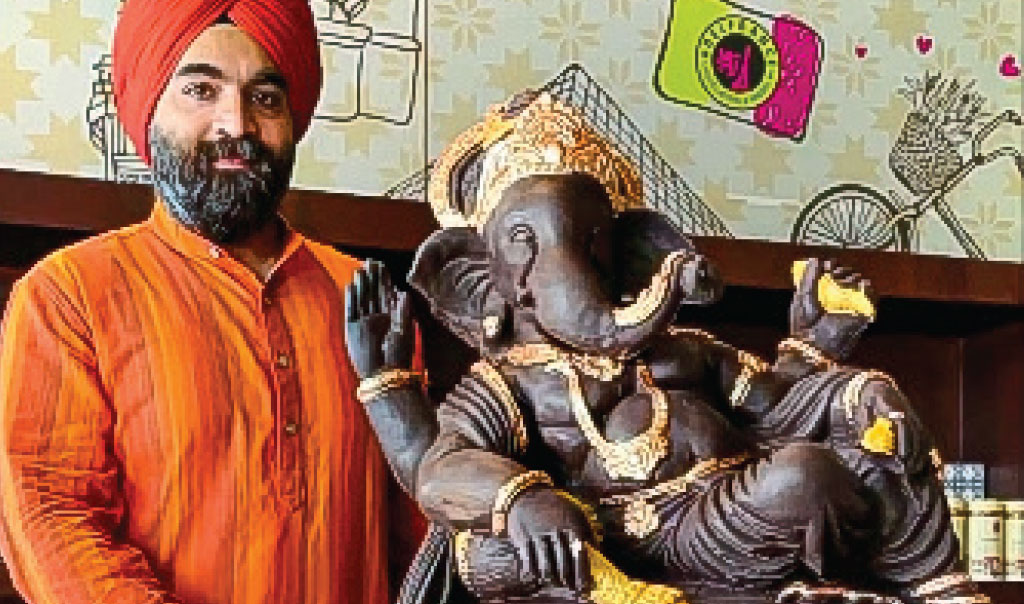
Over the past years, devotees have been installing Ganesh idols made of environmentally friendly materials. They have also been creating Ganesh idols out of edible materials such as chocolate, raw vegetables, fruits, dry fruits, betelnuts, coconuts and laddus. These foods are later distributed among the less fortunate.
Could you explain your process of creating a Ganesh idol?
Watch this video to learn how to make an eco-friendly Ganesh idol
Ganesh Idol Making Workshop
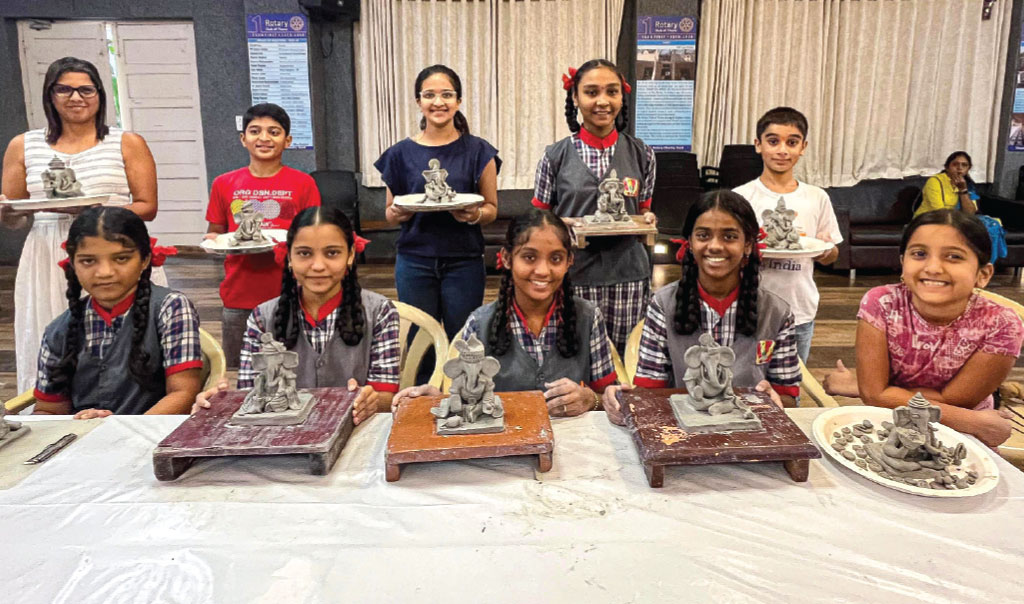
On Independence Day, the Inner Wheel Club of Thane and the Rotary Club of Thane conducted a Ganesh idol making workshop. Children and adults hand-carved their idols out of eco-friendly shadu clay. Some of the students from Thane’s schools who participated in the workshop included Swara Paranjape from New Horizons Scholars School, Vivaan Soni from Lodha World School, Kasturi Kadam and Khushi Kharat from Balvikas Vidyamandir and Anvay Metri and Gaurav Rane from Divyanga Kala Kendra.
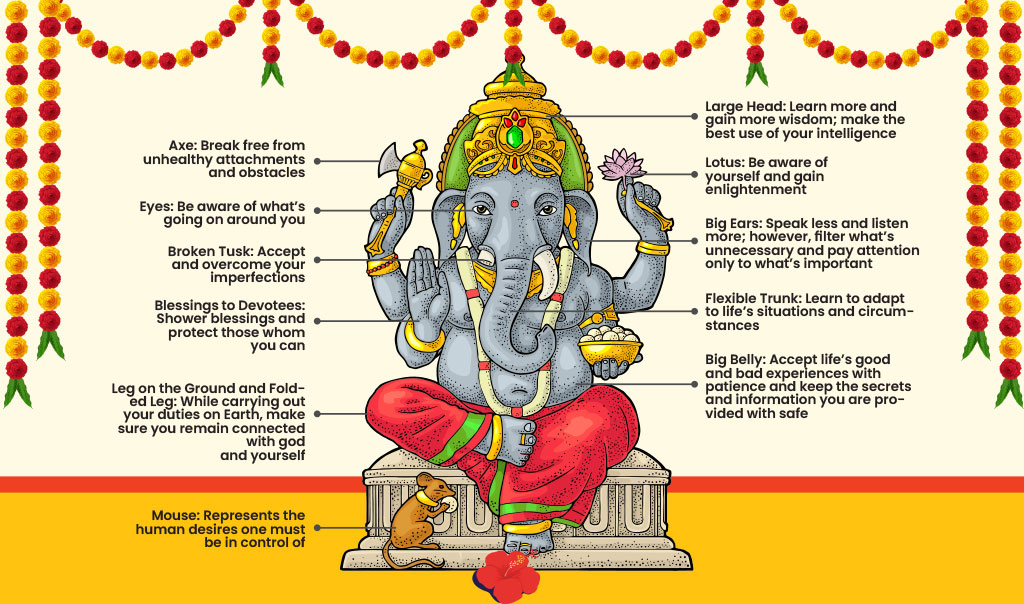
GANESH, THE TEACHER
India celebrates Teachers’ Day on September 5.
Let’s take a look at some lessons Lord Ganesh
teaches us.
List 5 reasons why painted POP Ganesh idols should not be put into water bodies.