
Badami Rabri Toast

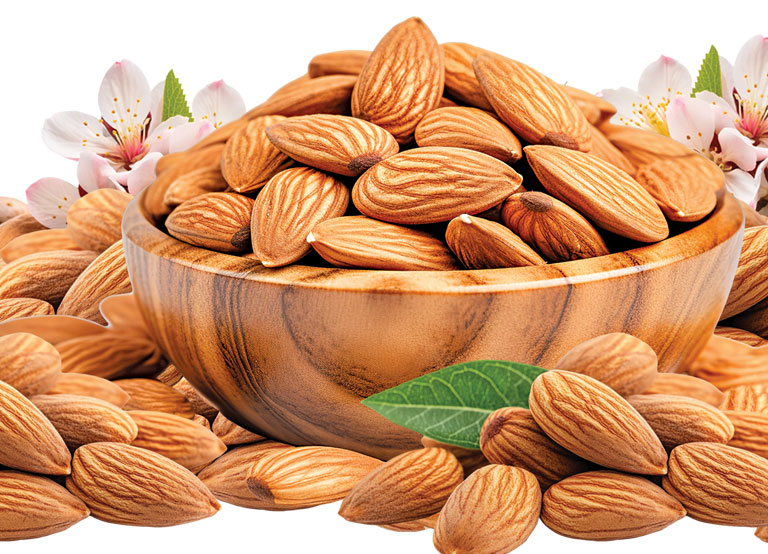
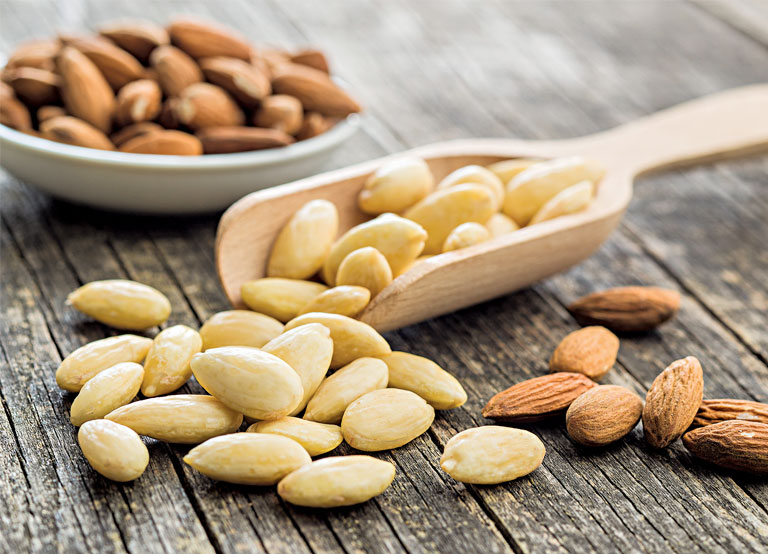
Almonds are one of the world’s most popular and nutritious nuts. They are rich in healthy fats, plant protein, fibre, vitamin E, magnesium and antioxidants and thus support heart health, brain function and sustained energy.

History:

Almonds originated in the Middle East and parts of Central Asia, where they were cultivated over 4,000 years ago. They are among the earliest domesticated tree foods, valued for their long shelf life and portability. Almonds travelled along ancient trade routes to the Mediterranean, North Africa and Europe. In India, almonds became popular through Persian and Central Asian influences, especially during the Mughal period.

Production in India 

  • India is not a major producer of almonds but it is one of the largest consumers and importers of almonds in the world.
  • However, limited almond cultivation does take place in Jammu, Kashmir and Himachal Pradesh.
  • Almonds thrive in slightly acidic to neutral sandy loam to loam soils. The soil should be deep and well-drained, as almonds grow best in dry conditions.

Culinary Uses

  • Almonds are used in Indian sweets such as badam halwa, kheer, barfi and shrikhand.
  • Almond paste and almond milk are common in rich gravies, desserts and festive drinks.
  • Almond flour is used in gluten-free baking for cakes, cookies and pastries.
  • Marzipan, a sweet almond paste, is popular across Europe and is shaped into decorative treats during festivals.

Regional Specialities

  • Badam Halwa: A rich dessert made with ground almonds, ghee and sugar.
  • Sheer Khurma (North India): A festive milk dessert with almonds, dates and vermicelli.
  • Kashmiri Kahwa (Jammu and Kashmir): Green tea brewed with almonds, saffron and spices.
  • Mughlai Kormas (North India): Creamy, mildly spiced gravies that use almond paste.
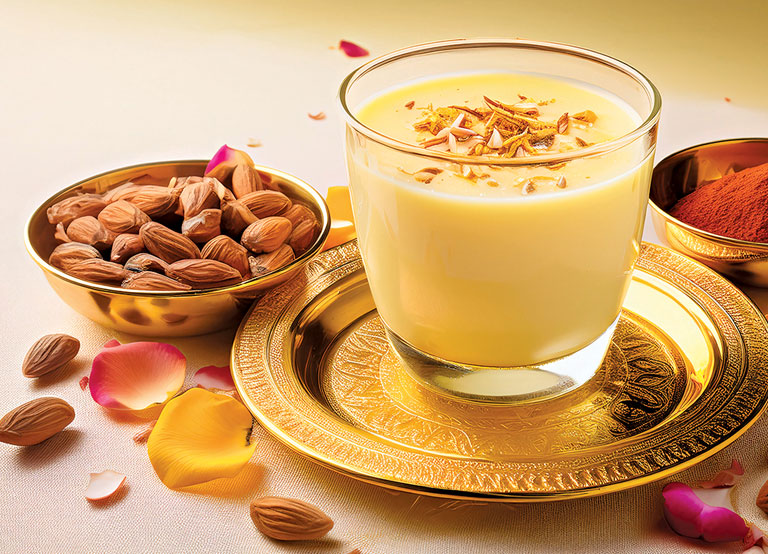
  • Badam Milk: A flavoured milk drink made with ground almonds and cardamom.
Badam Milk

INTERESTING FACTS

  • Almond trees are among the first fruit trees to bloom each year, making them symbols of hope and new beginnings in many cultures.
  • Soaking almonds overnight helps remove their brown skin and makes their nutrients easier to absorb, which is why soaked almonds are traditionally eaten in many Indian households.

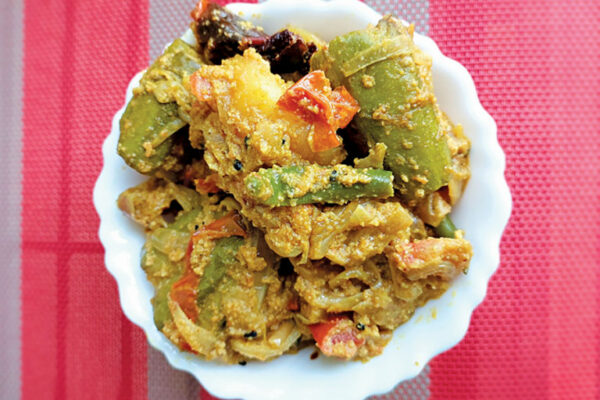
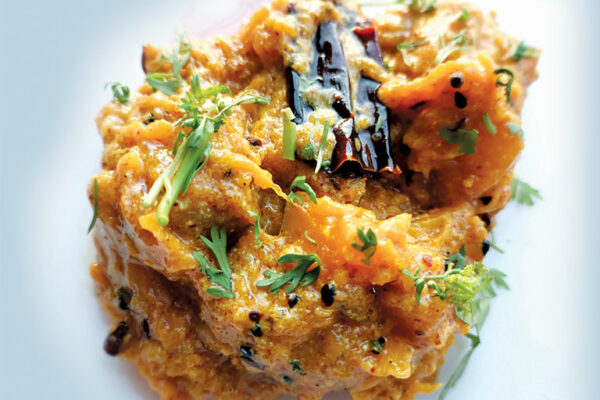
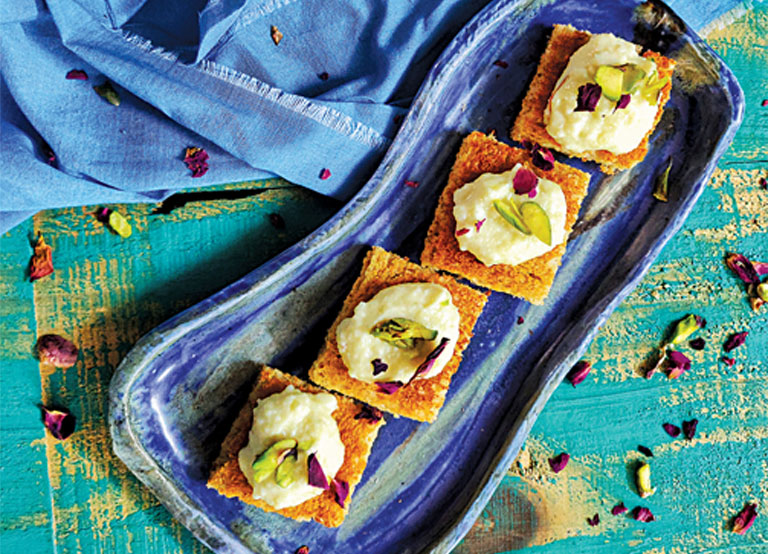
BADAMI RABRI TOAST

Badami Rabri Toast

INGREDIENTS

  • ½ cup almonds, soaked 
  • 1 cup milk
  • 3 to 4 strands kesar (saffron)
  • ½ teaspoon cardamom powder
  • 2 tablespoons raisins, soaked 
  • 2 whole-wheat bread slices
  • ½ teaspoon pistachios
  • 1 teaspoon ghee

METHOD

  • De-skin the soaked almonds and grind them into a fine paste.
  • Sauté the almond paste in ghee for 5 minutes.
  • Add the milk to the almond paste and then reduce it on a low flame till it is thick.
  • Mix the kesar in 1 tablespoon of the hot milk and mix it into the reduced mixture along with the cardamom powder. Mix well.
  • Make a paste of the raisins and mix it into the milk. Give it a quick stir and take it off the flame. The rabri thickens as it cools down.
  • Toast the bread slices and then cut them into small squares. Put the badam rabri on each square and spread it. Garnish each piece with pistachios and serve.

Warning: Ask a parent or adult to help with this recipe. 

Recipe credit: Rakshita Dwivedi on Instagram @recipe_dabba

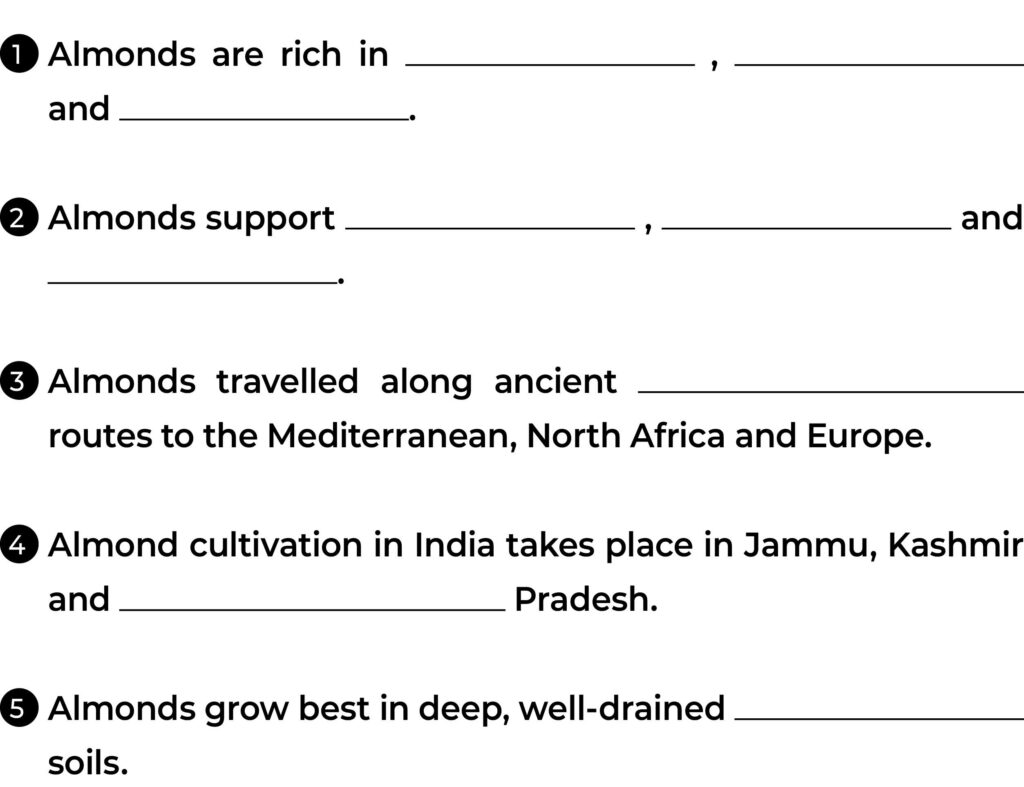
ACTIVITY: All About Almonds

Fill in the blanks with the correct answers.

Bookmark(0)
Want more exciting content like you see here?
Sign up now for RobinAge's FREE email newsletter
Want more exciting content like you see here?
Sign up now for RobinAge's FREE email newsletter
View a Sample Print Edition
Please fill in the form below to view a sample print edition
View a Sample Print Edition
Please fill in the form below to view a sample print edition
Struggling with lunchbox ideas?
Here's a free list of tiffin-friendly recipes from RobinAge
Struggling with lunchbox ideas?
Here's a free list of tiffin-friendly recipes from RobinAge
×

Powered by WhatsApp Chat

× How can I help you?