
History:
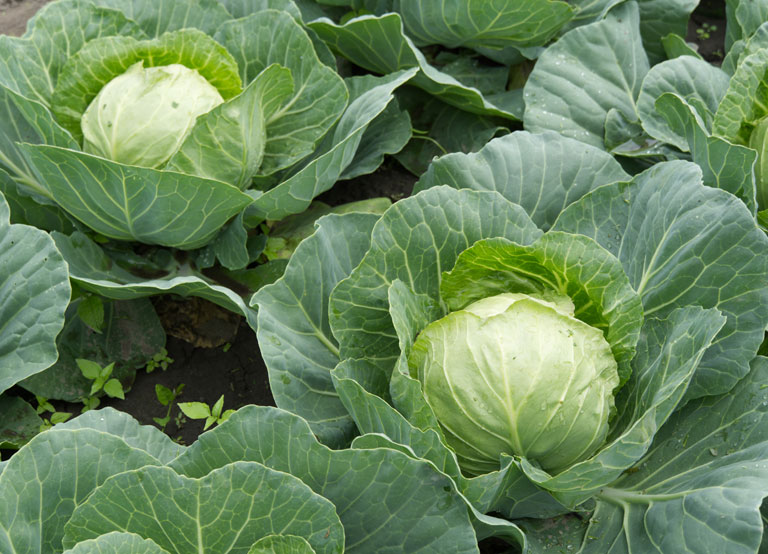
Cabbage has been cultivated for thousands of years, with origins traced to the Mediterranean region. It travelled eastwards through ancient trade routes and entered South Asia well before the 1st millennium CE. Early Ayurvedic texts also recommended cabbage to aid digestion and cool the system.
Production in India
- India is one of the world’s major producers of cabbage, with West Bengal, Bihar, Uttar Pradesh and Odisha among the major producers.
- Cabbage grows best in cool climates and is widely cultivated from October to March.
- Cabbage is typically grown on small and medium farms, often alongside cauliflower, peas and potatoes.
Culinary Uses
- Kimchi (Korea): It is made by fermenting cabbage with chilli, garlic, ginger and salt.
- Sauerkraut (Germany): A classic European preparation, where finely shredded cabbage is fermented with salt. It is known for its tangy taste and digestive benefits.
- Coleslaw (USA & Europe): A salad made from raw cabbage mixed with other finely chopped vegetables, mayonnaise and mustard or vinaigrette.
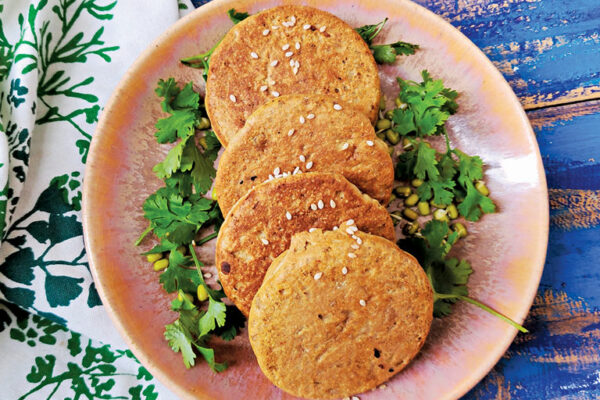
- Okonomiyaki (Japan): A savoury pancake where shredded cabbage forms the bulk of the batter. It is cooked on a griddle and topped with sauces and spring onions.
- Stuffed Cabbage Rolls: Cabbage leaves that are blanched and wrapped around fillings like minced meat, rice or vegetables, then slow-cooked in tomato sauce or broth.
Regional Specialities
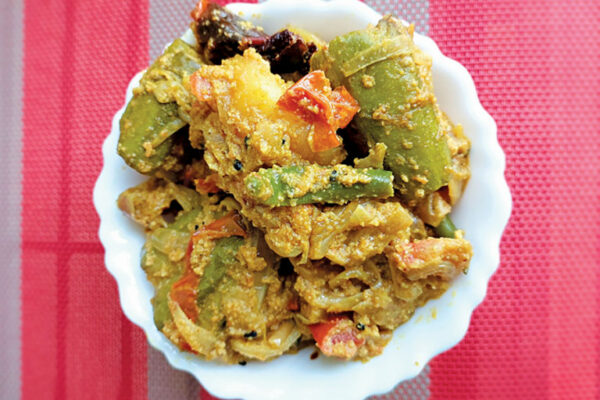
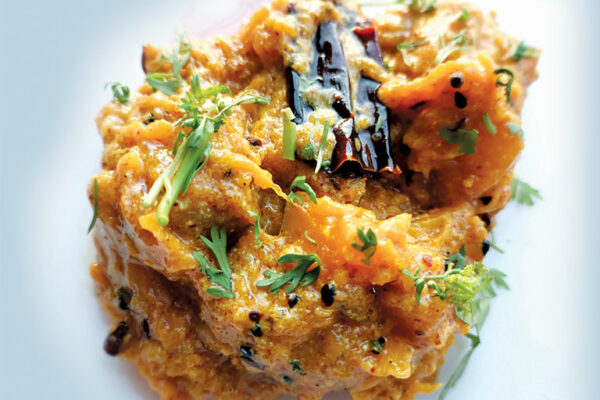
- Bandhakopir Ghonto (West Bengal): Slow-cooked cabbage with potatoes, peas and aromatic garam masala.
- Cabbage Foogath (Goa): Lightly sautéed cabbage with coconut, curry leaves and mustard seeds.
- Cabbage Kootu (Tamil Nadu): A mild dal-based dish with cabbage and coconut.
- Cabbage Manchurian (Indo-Chinese): A modern favourite where shredded cabbage is shaped into fritters, fried and tossed in a tangy sauce.
INTERESTING FACTS
- A single cabbage head can contain over 1,000 tightly packed leaves.
- Cabbage is one of the most resource efficient crops. It doesn’t require much water, grows quickly and creates minimal waste.
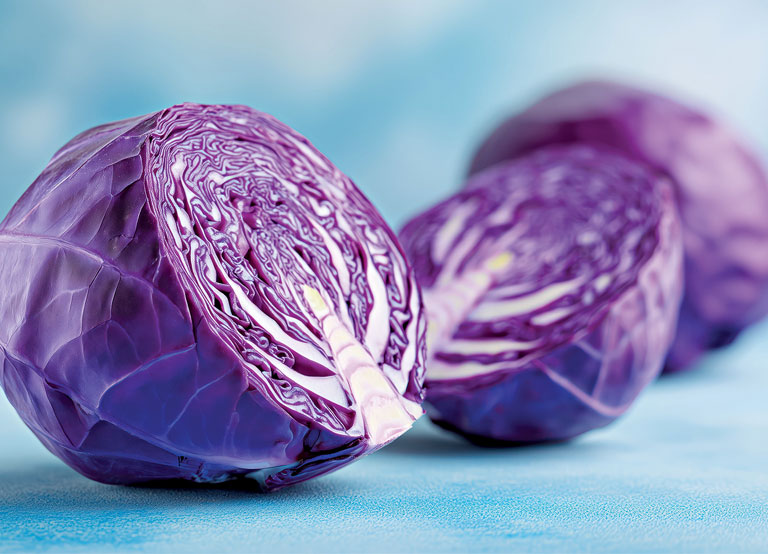
- Red cabbage is a natural pH indicator; its colour changes depending on acidity or alkalinity.
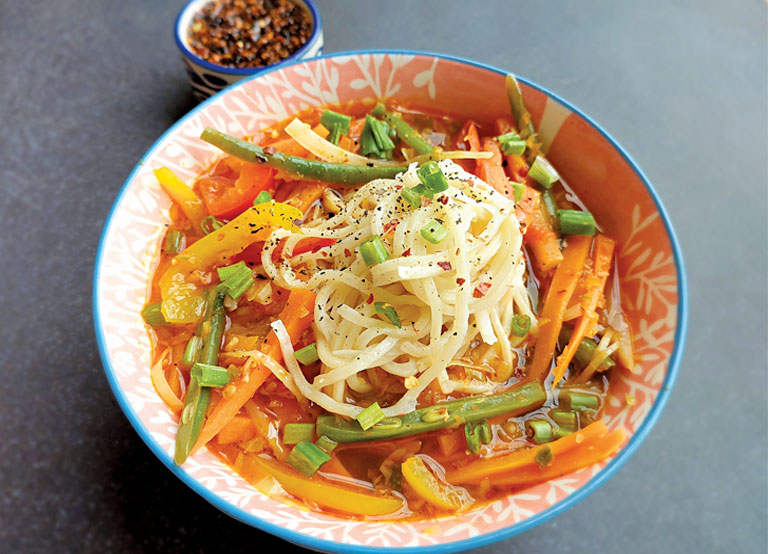
VEGETABLE THUKPA

INGREDIENTS
- ¼ cup each cabbage, carrot, mushroom, onion and French beans, julienne-cut
- 1 cup boiled noodles
- 1 tablespoon ginger-garlic paste
- 1 teaspoon soya sauce
- 1 teaspoon vinegar (optional)
- Salt to taste
- Freshly crushed pepper
- 1 tablespoon oil
- Lemon juice and coriander leaves to garnish
For the vegetable stock:
- Onion, tomato, carrot, cabbage, beans and mushrooms, roughly chopped (quantity as per choice)
- Peas and corn (quantity as per choice)
- 3 garlic cloves
- ½ inch ginger
- 1 bay leaf
- 4 black peppercorns
- 2 cloves
METHOD
- To make the vegetable stock, take around 1.5 litres of water in a big pot. Add all the stock ingredients and let them all boil together for around 20 minutes. Once cooled down, strain the stock and keep the vegetables aside (they can be used to stuff paranthas or for cutlets).
- In a wok, heat the oil, add the ginger-garlic paste and sauté well.
- Add the julienne-cut vegetables and sauté them on a high flame.
- Add the salt, pepper, soya sauce and vinegar.
- Now add 750ml of stock to the wok.
- Add the boiled noodles and let them simmer for 3 to 4 minutes.
- Serve hot in a big bowl and add a few drops of lemon juice and coriander leaves to enhance the taste.
Warning: Ask a parent or adult to help with this recipe.
Recipe credit: Mayura Sidharth on Instagram @thetinytiffins
ACTIVITY: Fill in the Blanks
How well do you know cabbage?